Welcome to WordPress. This is your first post. Edit or delete it, then start writing!
Blog
-
Creating a Beautiful Wedding Setup in Tampa
I work as a wedding rental coordinator in the Tampa Bay area, helping couples prepare outdoor ceremonies, garden receptions, and elegant celebrations inside local event venues. Over the years, I have learned that the best wedding setups begin with the practical details rather than the decorations themselves. I look at the guest count, the available space, the Florida weather, and the couple’s preferred atmosphere before recommending tables, chairs, linens, or lighting. A well-planned rental arrangement makes the venue feel personal while giving guests enough room to relax and enjoy the celebration.
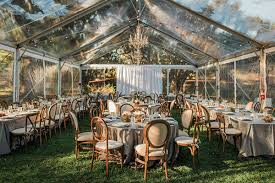
How I Plan Rentals Around the Venue
I begin by visiting the venue or reviewing its floor plan before preparing a rental list. A waterfront property near Tampa Bay has different needs from a hotel ballroom or a private backyard in Brandon. Outdoor spaces may require additional shade, stable furniture placement, and a suitable rain plan, while indoor venues often have restrictions on table arrangements, hanging decorations, and electrical equipment. I prefer to understand these conditions early instead of changing the entire setup a few days before the wedding.
Guest numbers help me estimate the basic equipment required. For a reception with 100 guests, I might begin by considering ten tables with ten seats each, then adjust the layout according to the table dimensions and venue capacity. I also account for the couple’s table, the cake display, the gift area, and enough space for servers to move around safely. The final arrangement should feel comfortable rather than packed with furniture.
I pay particular attention to access and delivery. Some venues have narrow gates, stairs, limited loading areas, or strict delivery windows that affect how rental crews bring equipment inside. I ask where trucks can park and whether the venue requires floor coverings or protective pads beneath heavy furniture. These questions may seem minor, but they can prevent delays during the busiest part of the wedding day.
Selecting a Rental Company for a Tampa Wedding
I compare rental providers based on their inventory, communication, delivery arrangements, and ability to meet the event’s requirements. Couples researching wedding rentals Tampa can review available rental options while developing their event plans. I recommend confirming the availability of specific items before making final design decisions because catalog photographs do not guarantee that every piece will be available on the chosen date. A written quote also helps me understand the actual cost of the order.
I ask providers to explain what their prices include. One quote may cover delivery, installation, and collection, while another may charge separately for labor, extended rental periods, or difficult access. I also review deposit requirements, cancellation terms, damage policies, and deadlines for changing quantities. Having these details in writing gives the couple a clearer basis for comparing offers.
I check the condition of the rental inventory whenever possible. Scratched tabletops, stained linens, and mismatched chairs can become noticeable once everything is arranged under bright venue lighting. I ask how the company handles damaged equipment and what happens if a selected item cannot be supplied on the event date. Clear answers help me prepare alternatives without making assumptions.
Communication matters throughout the planning process. I prefer working with a provider that responds clearly to questions about measurements, delivery times, and setup requirements. If I need 120 chairs and 12 tables, I want the quantities and delivery details confirmed rather than left to a casual conversation. A dependable contact person also makes it easier to resolve unexpected problems on the day.
Choosing Tables and Chairs for Guest Comfort
I usually select the main furniture before making detailed decorating decisions. Round tables can encourage conversation among smaller groups, while long banquet tables create a different atmosphere that may suit a family-style dinner or a rustic reception. I consider the size of each table alongside the number of guests, the centerpiece dimensions, and the space available for serving food. A beautiful layout still needs to work during dinner.
Chair style can influence the appearance of the whole room. Chiavari chairs are often chosen for formal receptions, while padded banquet chairs can provide a familiar, comfortable option for longer events. I compare the chair finish with the table design, flooring, and overall color palette before settling on a style. I also check whether the chairs are suitable for outdoor use if the ceremony or reception will take place outside.
I plan the guest seating with movement in mind. Guests need room to pull out chairs, walk between tables, and reach the restrooms without squeezing through narrow gaps. For a reception with eight or ten tables, I review the proposed floor plan to see whether the layout leaves enough space around the dining area. I also confirm the venue’s capacity requirements rather than relying on furniture counts alone.
I often recommend a small lounge area for receptions that continue into the evening. A few sofas or upholstered chairs can give older relatives and guests wearing formal clothing a comfortable place to rest after dinner. I position this furniture away from busy service routes so it does not obstruct the caterers or the dance floor. The area should feel connected to the reception without taking over the room.
Using Linens and Decor to Shape the Atmosphere
I use linens to establish a consistent look across the reception space. Ivory, white, beige, and muted green can work well for a soft garden-inspired design, while darker fabrics may suit an evening celebration with dramatic lighting. I check table dimensions before ordering cloths because the desired drop affects how the finished tables look. When a particular shade is essential, I ask to see a sample rather than relying entirely on a screen image.
Decorative pieces should fit the size of the venue. Tall centerpieces may look impressive in a spacious ballroom, but they can block sightlines when placed on smaller tables or in a low-ceilinged room. I often suggest a simple centerpiece with seasonal flowers, greenery, or a few carefully chosen decorative objects. Guests should be able to talk across the table without constantly moving decorations out of the way.
I also think about the ceremony backdrop. A floral arch, fabric installation, or simple wooden structure can create a clear focal point for the couple and their photographer. Before choosing one, I check the available installation space, the surface beneath it, and any venue restrictions regarding attachment points. Outdoor structures need suitable support, especially when the forecast suggests breezy conditions.
Lighting deserves its own planning time. Warm string lights can create a relaxed feeling in an outdoor reception area, while uplighting may highlight architectural features inside a ballroom. I confirm that the venue permits the proposed equipment and has suitable power access before adding lighting to the order. I also make sure cables will not cross guest walkways or create trip hazards.
Preparing for Tampa’s Weather Conditions
I treat weather preparation as part of the rental plan for any outdoor wedding in the Tampa area. Heat, humidity, rain, and occasional strong winds can affect guest comfort and the stability of decorative equipment. I ask the venue about covered areas, indoor alternatives, and the deadline for deciding whether an outdoor ceremony needs to move. Having a realistic backup arrangement reduces confusion if the weather changes.
Shade can be especially useful during a daytime ceremony. Depending on the venue, I may discuss a tent, covered seating area, or a different ceremony time to reduce guests’ exposure to direct sunlight. Any tent installation must comply with venue rules and be handled by an appropriate crew, with suitable anchoring for the site conditions. I never assume a lightweight canopy is safe simply because it looks attractive.
I plan for rain before the forecast becomes a concern. Rental furniture and decorative materials need protection appropriate to their construction, and some items may not be suitable for wet conditions. I ask the provider which pieces can be used outdoors and how the team will respond if rain begins during setup. The venue’s approved backup space should be considered alongside the equipment list.
I also think about guest comfort beyond the furniture itself. For a summer ceremony with 75 guests, I would review the availability of shade, drinking water, and a practical waiting area with the couple and venue team. I would avoid placing vulnerable decorations in exposed areas where wind or rain could damage them. Small adjustments to the layout can make an outdoor celebration more pleasant.
Managing the Rental Budget and Avoiding Extra Costs
I build the rental budget around the items the event genuinely needs. Seating, dining tables, suitable linens, and essential setup services usually take priority over decorative extras in my planning process. I then compare the remaining budget with the couple’s preferred features, such as a lounge arrangement, specialty chairs, or additional lighting. This makes it easier to identify where a design can be simplified without affecting the guest experience.
I review package offers carefully. A package advertised for 100 guests may include furniture or decorations that do not match the venue or the chosen theme. I compare its contents with an itemized rental order to determine whether the included pieces are useful and whether delivery is part of the price. I do not assume that a package costs less simply because several items are grouped together.
I also leave some room in the budget for changes. Guest numbers may increase, the venue may request a different layout, or the couple may decide to add a few chairs after the initial order is placed. I ask the rental company about its modification deadlines and whether additional quantities can be supplied close to the event. These details help me avoid promising changes that the provider cannot accommodate.
A customer last spring wanted a polished reception but needed to reduce several thousand dollars from the original event estimate. I would approach that situation by keeping the comfortable seating and dining arrangements while reducing the number of decorative installations and specialty pieces. The result can still feel thoughtful if the remaining items are coordinated carefully. I prefer a focused design with suitable furniture over a crowded setup that strains the budget.
Coordinating Delivery and Wedding Day Setup
I prepare a written setup plan before the delivery date. It identifies the location of each table, the number of chairs required, the placement of the ceremony furniture, and the areas reserved for catering and entertainment. I share the plan with the venue coordinator and rental team so everyone works from the same instructions. This is especially helpful when the ceremony and reception take place in separate parts of the property.
I confirm the delivery window and setup responsibilities several days ahead whenever possible. Some venues allow vendors to begin work the previous afternoon, while others provide only a limited period on the wedding day. I coordinate the rental crew’s arrival with the florist, caterer, photographer, and other vendors who need access to the space. Good timing prevents equipment from blocking another team’s work.
I review the delivered items against the rental order before the crew finishes, provided the schedule allows enough time. If the order lists 100 chairs, ten tables, and two decorative structures, I check the quantities and look for visible damage or missing pieces. I report any discrepancy promptly according to the provider’s procedures. Keeping a copy of the final order makes this check easier.
Collection arrangements need attention too. I confirm whether the rental company will retrieve the equipment after the reception or return the following morning. I also clarify who should gather linens, stack chairs, remove personal decorations, and separate any items that belong to the venue. I do not leave these responsibilities unclear because confusion at closing time can create unnecessary charges.
I approach every Tampa wedding rental plan with the same practical question: will this setup look right and work well for the people using it? I begin with the venue and guest count, confirm the provider’s terms, and choose furniture and decor that suit the event rather than adding items without a clear purpose. I also keep weather planning and delivery logistics in view from the first conversation. When those decisions are handled early, I can focus on creating a welcoming space where the couple and their guests can enjoy the day.